
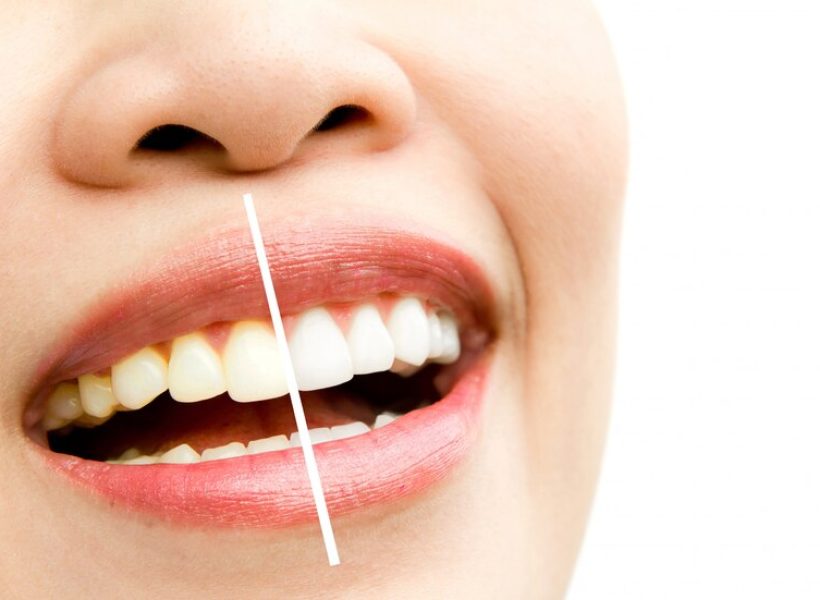

Teeth whitening is a cosmetic dental procedure designed to lighten the color of teeth and remove stains and discoloration. This process aims to improve the overall appearance of a person’s smile by making the teeth appear whiter and brighter.
The natural color of teeth can vary from person to person, and factors such as aging, lifestyle habits, and diet can lead to teeth becoming discolored or stained. Teeth whitening procedures are intended to reverse this discoloration, offering a whiter and more attractive smile.
Teeth whitening is a non-invasive and popular cosmetic dental procedure. It’s important to note that the effectiveness of whitening treatments can vary based on the severity of discoloration, the method used, and individual factors such as the natural color of the teeth and the causes of discoloration.

The most apparent benefit is a brighter, more radiant smile. Whitening can help remove stains and discoloration caused by aging, consumption of certain foods, beverages, and smoking, resulting in a more attractive smile.

A whiter smile often leads to increased self-esteem and confidence. Feeling good about your smile can positively impact social interactions and personal relationships.

Whiter teeth can make you look younger. As we age, teeth naturally become discolored, so whitening can help rejuvenate your smile, contributing to a more youthful look.
People who undergo teeth whitening often become more conscious of their oral health. It can encourage better oral hygiene habits, such as regular brushing and flossing, to maintain the whitened appearance.

A brighter smile can lead to a more positive mindset and improved mental well-being. Research has shown that a pleasant smile can affect mood and reduce stress.

A confident smile can positively impact professional and social opportunities. People with a brighter smile might feel more comfortable in job interviews, business meetings, and social gatherings.

Teeth whitening is a non-invasive and relatively affordable cosmetic dental procedure. Compared to other cosmetic dental treatments, it's less time-consuming and can produce significant results.

Visiting a dentist for teeth whitening may lead to the identification and treatment of underlying dental issues that could be causing the discoloration. It encourages regular dental check-ups and professional cleanings.
Teeth whitening procedures are broadly categorized into different types based on their application methods and the environment in which they are performed. Here are the primary types of teeth whitening methods:
Over-the-Counter Products:
Dentist-Supervised At-Home Whitening:
In-Office Professional Whitening:
Internal Whitening:
Composite Bonding or Veneers:
DIY Natural Remedies:
After receiving teeth whitening treatments at smile signature dental clinic, proper aftercare is crucial to maintain the longevity and effectiveness of the restorations. Here are the aftercare guidelines:
For at least 24-48 hours post-treatment, avoid consuming foods and drinks that may stain your teeth, such as coffee, tea, red wine, berries, and colored sauces.
Acidic substances can weaken the enamel temporarily. To maintain the whiteness of your teeth, limit the consumption of acidic items like citrus fruits, vinegar-based dressings, and sodas.
Smoking not only stains teeth but also decreases the effectiveness of the whitening treatment. Avoid smoking for at least 48 hours after the procedure
If you drink beverages that could stain your teeth, using a straw can help direct the liquid past your teeth, minimizing contact and potential staining.
Brush your teeth twice a day with a fluoride toothpaste and floss at least once a day. Good oral hygiene helps preserve the effects of the whitening treatment.
If your teeth become sensitive after the treatment, consider using a desensitizing toothpaste. This can help alleviate discomfort.
Refrain from using strongly colored mouthwashes or colored toothpaste, as these may counteract the whitening process.
Discover answers to all your questions about teeth whitening in our comprehensive FAQs. From understanding the process and safety considerations to duration, causes of discoloration, and maintenance tips, find expert insights here. Get informed and make confident decisions about achieving a brighter smile with our exclusive teeth whitening FAQ section
When performed by a dental professional or using approved over-the-counter products as directed, teeth whitening is generally safe. However, overuse or improper application can lead to sensitivity or gum irritation.
he duration varies based on the method used. In-office treatments can take around 1-2 hours, while at-home treatments might take several days to weeks for noticeable results.
Most people can undergo teeth whitening, but it might not be suitable for everyone. It's essential to consult with a dentist to assess oral health and determine the best approach for individual needs.
Discoloration can result from various factors, including aging, certain foods and beverages, tobacco use, poor dental hygiene, and some medications.
Some individuals might experience temporary sensitivity during or after treatment. Using desensitizing toothpaste or products recommended by a dentist can help alleviate discomfort.
+91 9331040584